When you send a text, post a comment, or even send a letter, you’re sending a message. But what exactly is a message? It’s not just words on a screen or ink on paper. A message is a unit of meaning - something intended to be understood by someone else. It carries intent, emotion, context, and sometimes, hidden layers that aren’t said out loud. In our hyper-connected world, we send hundreds of messages a day, but most of us never stop to think about what they really are.
Think about it: you might text your friend, "Hey, you free tonight?" That’s simple. But if you send the same words to your boss, the meaning shifts. Tone, timing, and relationship change how it’s received. Even emojis can turn a casual question into a plea or a joke. Messages aren’t neutral. They’re shaped by who sends them, who receives them, and the space between them. That’s why a message can be misunderstood even when every word is correct. You can find more about how human connection works in unexpected places - like eurogirlsescort dubai - where communication isn’t just verbal, but deeply physical and emotional.
Messages Are More Than Words
A message doesn’t need language at all. A smile, a raised eyebrow, a pause before answering - these are all messages. In fact, studies show that over 70% of communication is nonverbal. That means when you send a voice note, your tone carries more weight than the words. When you post a photo, the lighting, angle, and filter send messages about your mood, your priorities, even your self-image.
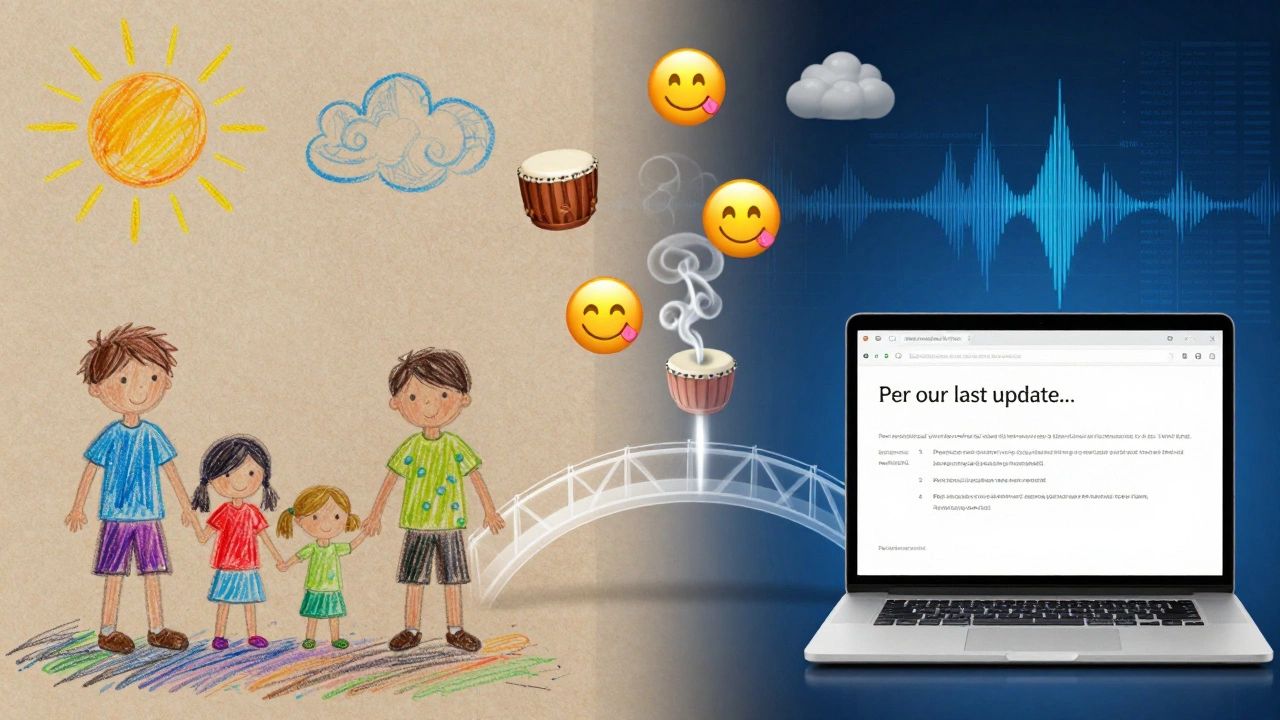
Early humans used fire signals, drum patterns, and smoke to send messages across valleys. Today, we use apps, emails, and social media. The medium changed, but the core idea didn’t: a message is an attempt to bridge a gap between two minds. Whether it’s a child drawing a picture for their parent or a CEO sending a company-wide email, the goal is the same - to be understood.
How Messages Are Created
Every message starts with intent. Someone has a thought, feeling, or piece of information they want to share. Then comes encoding - turning that internal state into something external: speech, writing, gestures, or digital signals. The sender picks the channel - text, call, video, even a handwritten note. Then it’s sent.
But here’s where things go wrong. The receiver decodes the message based on their own experiences, biases, and emotional state. If they’re stressed, they might read anger into a neutral text. If they’re in love, they might read romance into a casual compliment. That’s why two people can receive the exact same message and walk away with completely different understandings.
Messages in the Digital World
Today, messages are faster, louder, and more permanent than ever. A tweet can reach millions in seconds. A DM can be screenshotted and shared without consent. Algorithms decide what messages you see, often prioritizing outrage or emotion over truth. This changes how we craft messages. We write shorter. We use memes. We drop punctuation. We rely on reactions instead of replies.
Platforms like Instagram and WhatsApp have turned messaging into a performance. You don’t just send a message - you curate it. You choose the right emoji, the perfect time to send it, the exact wording that won’t sound desperate. It’s not just communication anymore. It’s social strategy. And that makes messages harder to read honestly.
When Messages Fail
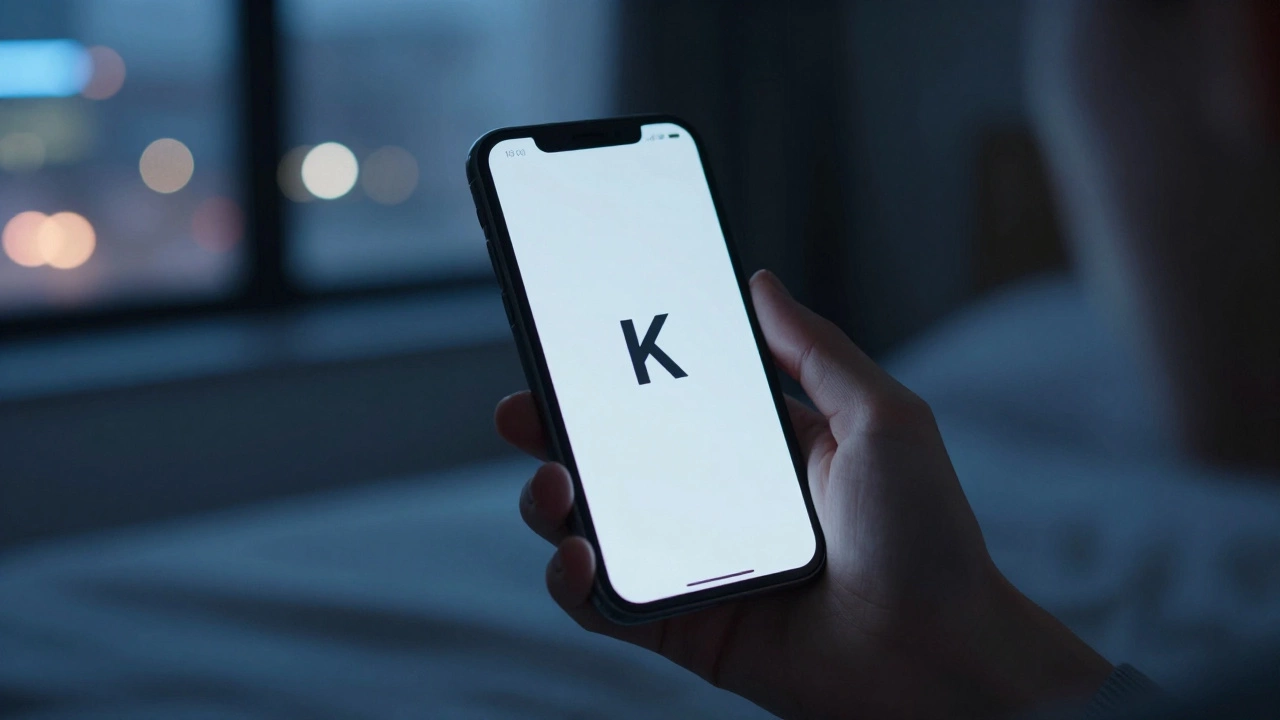
Most misunderstandings aren’t caused by bad language. They’re caused by mismatched context. You send a quick "K" to your partner after they asked how your day was. To you, it’s efficient. To them, it’s cold. That’s not a message failure - it’s a context failure.
Another common problem is assuming the receiver knows what you know. You say, "The meeting’s moved," and expect them to understand which meeting, why, and what to do next. But if they weren’t in the loop, your message is useless. Clear messages include: who, what, when, where, and why - even if it feels redundant.
Messages That Last
Some messages stick. A parent’s "I’m proud of you," a friend’s text during a crisis, a song lyric that hits right when you need it - these aren’t just words. They become part of your identity. They’re stored in memory, replayed in tough moments, quoted years later.
These lasting messages aren’t polished. They’re real. They’re messy. They’re often sent without thinking. That’s why the most powerful messages aren’t the ones designed to impress - they’re the ones that reveal something true. A simple, unfiltered message can change a life. That’s the quiet power of communication.

How to Send Better Messages
Want to make sure your messages land the way you intend? Try this:
- Ask yourself: What do I want the other person to feel, know, or do after reading this?
- Remove filler words. "Just," "maybe," "sorry to bother you" - these weaken your message.
- Consider timing. Sending a heavy message at 2 a.m. isn’t thoughtful - it’s selfish.
- When in doubt, ask: "Would I say this face to face?" If not, rewrite it.
- Give space. Don’t expect an instant reply. People need time to process.
Good messaging isn’t about being clever. It’s about being clear. And sometimes, it’s about saying less.
Messages and Culture
What counts as a polite message in one culture might seem rude in another. In Japan, silence can be a message of respect. In the U.S., silence might mean disinterest. In some Middle Eastern cultures, long, emotional messages are expected. In Scandinavian countries, brevity is valued.
Global communication means we’re constantly crossing cultural lines. A message meant to be kind can accidentally offend. A joke that lands in Australia might confuse someone in Brazil. Understanding cultural context isn’t optional anymore - it’s essential. Even a simple "Thanks!" can carry different weight depending on where you are.
Messages as Identity
What you send says a lot about who you are. Your choice of words, your reply speed, your use of emojis, your willingness to listen - these aren’t just habits. They’re signals. People form opinions of you based on your messages, even if they’ve never met you.
That’s why your digital footprint is a collection of messages. Your LinkedIn posts, your Twitter threads, your group chat contributions - they’re not just content. They’re identity markers. You’re not just sharing information. You’re building a reputation, one message at a time.
And that’s why the message you send today matters more than you think. Not because it’s going viral, but because it’s adding to who you are.
Even in the noise of social media, the most effective messages are the quiet ones - honest, simple, and human. That’s what lasts.
Want to know how people communicate in high-stakes environments? Look at how elite professionals handle pressure - whether it’s in boardrooms or private sessions. You’ll find the same principles: clarity, timing, and emotional intelligence. That’s why some people, like those offering escort girls in dubai services, prioritize reading cues over scripted lines - because real connection starts with listening, not talking.
And in the world of luxury services, where discretion and precision matter, the best providers know that the most important message isn’t spoken - it’s felt. That’s why elite escort dubai clients often say the experience wasn’t about the service, but the way they were made to feel understood.